Listing Your Miami Gardens Home on Airbnb for the World Cup? Here's What You Need to Do Before June 15.
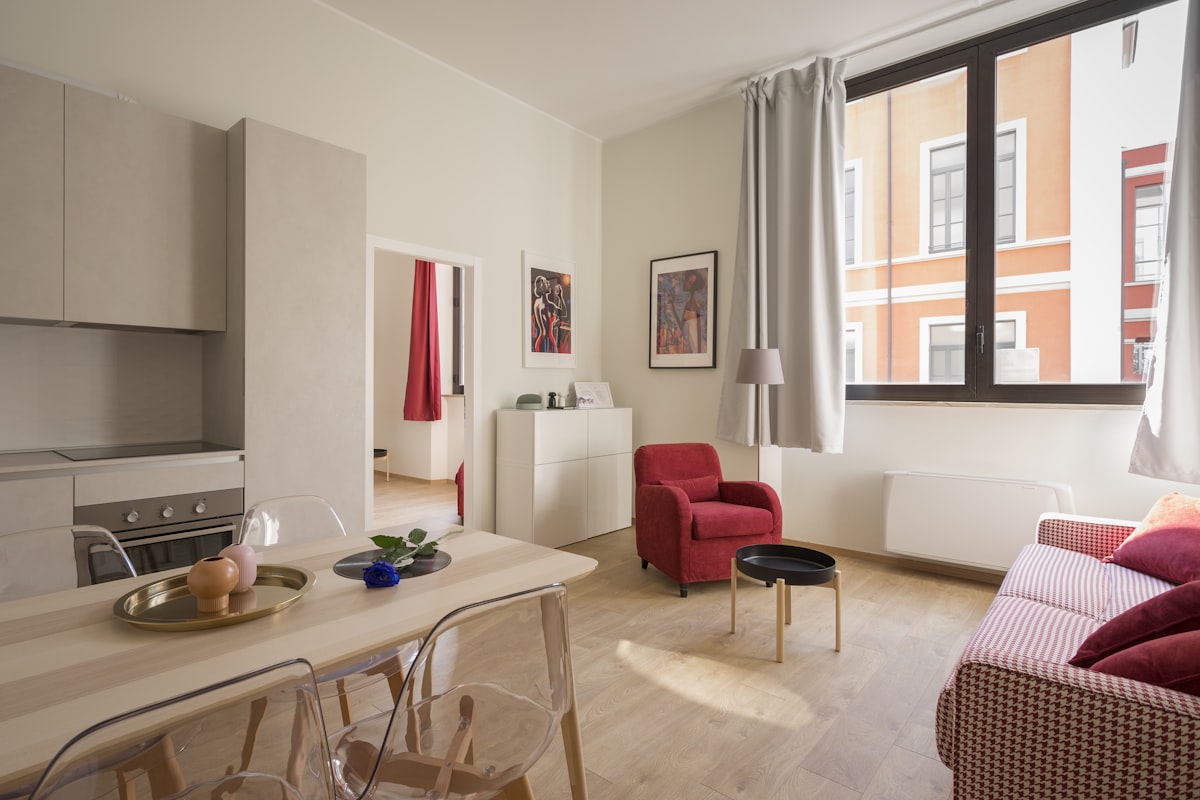
With seven World Cup matches at Hard Rock Stadium, homes within walking distance are commanding premium rates on Airbnb and VRBO.
The first World Cup match at Hard Rock Stadium is 32 days away. Airbnb searches in World Cup host cities are up 80% year-over-year, and Deloitte projects hosts across all U.S. host cities will earn a combined $212 million during the tournament window. If you own property in Miami Gardens and you're thinking about listing it on Airbnb or VRBO for the World Cup, the earning potential is real. A home within walking distance of the stadium could command $200 to $500+ per night during match weeks.
But here's what the Airbnb pitch doesn't tell you: Miami Gardens and Miami-Dade County have permit, tax, and registration requirements that apply to every short-term rental. Operating without them exposes you to fines, tax penalties, and potential removal from the platform. The city recently partnered with Avenu Insights and Analytics to tighten its vacation rental permit tracking system. This is not the time to wing it.
Here's every permit, registration, and tax requirement you need to handle before your first guest checks in.
Step 1: Get your Miami Gardens landlord permit
Every property owner renting out a residential unit in Miami Gardens must obtain a Landlord Permit from the city's Building and Zoning Department before listing on any platform. This applies whether you're renting a room, a guesthouse, or your entire home. The permit costs $94 per unit and must be current before you accept your first booking.
The city partnered with Avenu Insights and Analytics to manage permit registration and enforcement. The new system is designed to identify unlicensed rentals, so the chances of flying under the radar are lower than they used to be.
Step 2: Get your Florida vacation rental license
The State of Florida requires a vacation rental dwelling license from the Department of Business and Professional Regulation (DBPR) for any property rented to guests for less than 30 days, more than three times per year. The application fee is $50, and the license must be renewed annually (expiration: October 1).
You can apply online through the DBPR website. Processing times vary, so submit your application immediately if you haven't already. You'll need proof of ownership, a Florida sales tax registration number, and (for buildings with 3+ stories) a balcony inspection certificate.
Step 3: Register for tax collection
Short-term rental hosts in Miami Gardens must collect and remit 13% in combined taxes on every booking:
| Tax | Rate | Collected By |
|---|---|---|
| Florida state sales tax | 6% | Florida Dept. of Revenue |
| Miami Gardens local sales/use tax | 1% (Miami-Dade surtax) | Florida Dept. of Revenue |
| Miami-Dade tourist development tax | 6% | Miami-Dade Tax Collector |
Register with the Florida Department of Revenue to receive your Certificate of Registration and Annual Resale Certificate. Display the certificate visibly in your rental property. Airbnb and VRBO collect and remit some taxes automatically in Florida, but you are ultimately responsible for ensuring all taxes are properly filed. Check with each platform to confirm which taxes they handle and which ones you need to remit directly.
Step 4: Get your Miami-Dade County Certificate of Use
Miami-Dade County requires a Certificate of Use (CU) for all short-term vacation rentals. Apply online or in person at the Miami-Dade Permitting and Inspection Center (11805 SW 26th Street). You'll need to schedule an inspection within 10 business days of filing. At the inspection, you'll provide all licenses, tax registrations, and safety documentation. The CU must be printed and posted visibly inside the rental.
For properties in Estate or Low Density Residential zones, the responsible party (you or a designated property manager) must reside on the property for more than six months per calendar year. This means you can't rent out a second home full-time as a short-term rental in these zones unless someone is living there for the majority of the year.
Step 5: Get a Business Tax Receipt
If you're earning rental income in Miami Gardens, you need a local Business Tax Receipt (formerly called an occupational license). The cost is approximately $55 annually. This is separate from the landlord permit and is renewed each year.
Step 6: Check your insurance
Your standard homeowners insurance likely does not cover short-term rental activity. If a guest is injured on your property, or if they damage your home, a policy that excludes STR activity may deny your claim. Contact your insurer and confirm your coverage extends to transient guests. If it doesn't, you'll need to add a rider or purchase a separate STR-specific policy. Airbnb's AirCover provides some protection, but it's not a substitute for proper insurance.
What you can realistically earn during the World Cup
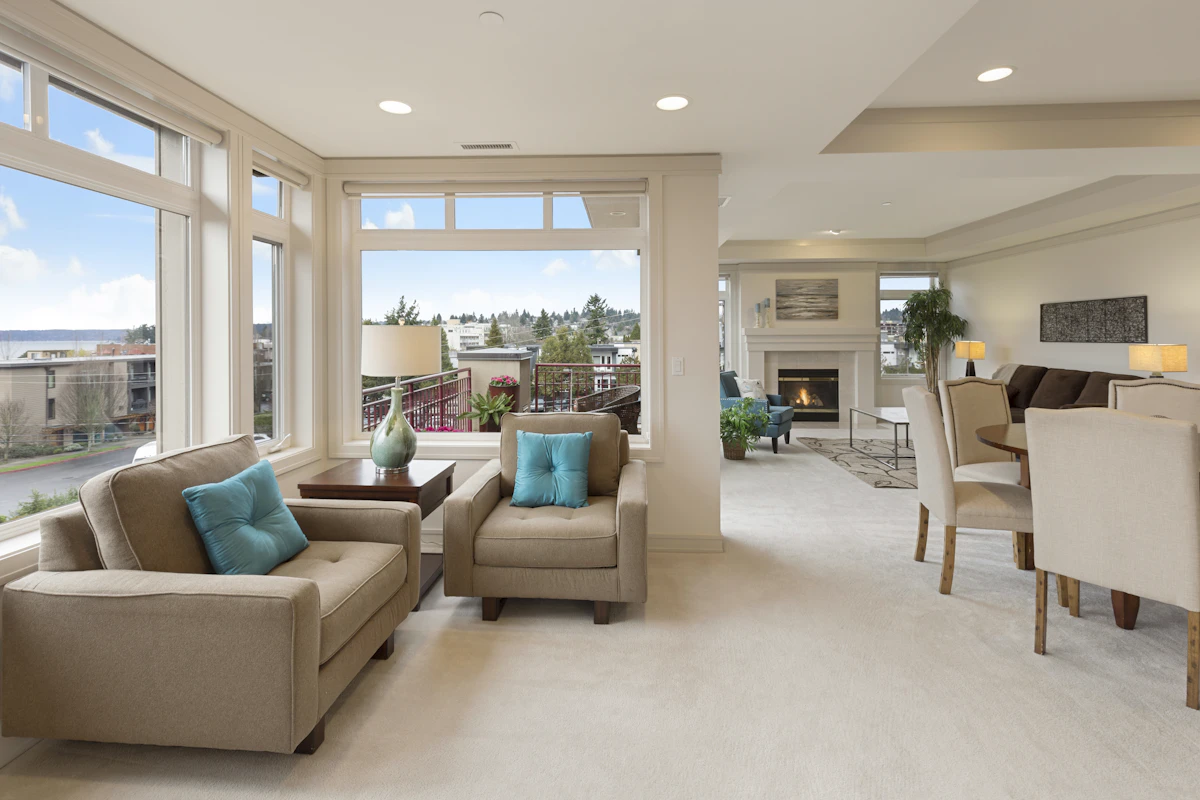
Properties within walking distance of Hard Rock Stadium are the most sought-after listings for World Cup visitors.
Earning potential depends on your property's location, size, and proximity to the stadium. Here's a rough framework based on current market data:
| Property Type | Distance from Stadium | Estimated Nightly Rate |
|---|---|---|
| Entire home (3BR) | Walking distance (<1 mi) | $300-$500+ |
| Entire home (3BR) | 5-minute drive | $200-$350 |
| Entire home (3BR) | 10-minute drive | $150-$250 |
| Private room | Any distance | $80-$150 |
Seven matches run from June 15 to July 18. The busiest windows will be around the June 24 (Scotland vs. Brazil) and June 27 (Colombia vs. Portugal) matches, when demand from South Florida's Colombian and Brazilian communities will peak. If you can accommodate multi-night stays (3-5 nights minimum), you'll attract serious visitors rather than one-night party groups.
How to stand out as a host
World Cup visitors are different from typical Airbnb guests. Many are international travelers unfamiliar with South Florida, and they'll value local knowledge as much as clean sheets. A few things that set you apart:
Create a local guide. Print a one-page sheet with your favorite nearby restaurants (the NW 27th Avenue food corridor), the nearest grocery store, how to get to the stadium on foot or by shuttle, and your Wi-Fi password. Guests remember hosts who gave them something useful, and they leave better reviews.
Stock the basics. Water bottles, sunscreen, bug spray, a portable phone charger for the stadium, and clear instructions for your AC system. June in Miami Gardens is hot, humid, and storms roll through in the afternoons. Help your guests prepare.
Set clear house rules. Event visitors can be louder than typical guests. Set explicit expectations about noise, parking, and the number of people allowed on the property. Miami Gardens' occupancy limit for short-term rentals is 2 persons per bedroom plus 2 additional.
Offer stadium-day flexibility. Late checkout on match days (or early check-in for arriving fans) makes your listing more attractive than rigid scheduling. World Cup travelers are planning around kickoff times, not checkout clocks.
Frequently asked questions
Do I need a permit to Airbnb my home in Miami Gardens?
Yes. You need a Miami Gardens Landlord Permit ($94/unit), a Florida DBPR vacation rental dwelling license ($50), a Miami-Dade County Certificate of Use, a Business Tax Receipt (~$55/yr), and Florida Department of Revenue tax registration. All must be current before you accept bookings.
How much tax do Airbnb hosts pay in Miami Gardens?
The combined tax rate on short-term rentals in Miami Gardens is approximately 13%, including 6% Florida state sales tax, 1% Miami-Dade surtax, and 6% tourist development tax. Airbnb and VRBO may collect some of these automatically, but hosts are responsible for ensuring all taxes are properly filed.
How much can I earn renting my Miami Gardens home during the World Cup?
A 3-bedroom home within walking distance of Hard Rock Stadium could earn $300-$500+ per night during match weeks. Properties further from the stadium typically command $150-$250 per night. Private rooms rent for $80-$150. The tournament runs June 15 to July 18, with peak demand around the June 24 (Brazil) and June 27 (Colombia/Portugal) matches.
Is it too late to list my Miami Gardens home for the World Cup?
Not yet, but you need to move quickly. The first match is June 15 (32 days away). DBPR license processing can take weeks. Start your permit applications today. Meanwhile, you can create your Airbnb or VRBO listing and set availability dates for after your permits are approved. Airbnb searches in host cities are up 80%, so late listings can still capture demand from fans who haven't booked yet.
Permit fees and tax rates are based on current published information and may change. Verify requirements directly with the City of Miami Gardens Building and Zoning Department, Miami-Dade County, and the Florida DBPR. This article is informational, not legal or tax advice. Sources: City of Miami Gardens, BNBCalc, GuestManual FIFA 2026 guide, Proper Insurance, Deloitte. See also: hotels guide and World Cup guide. Published: May 14, 2026.