Swale Fines in Miami Gardens: What the Rules Actually Are and How to Avoid a Citation
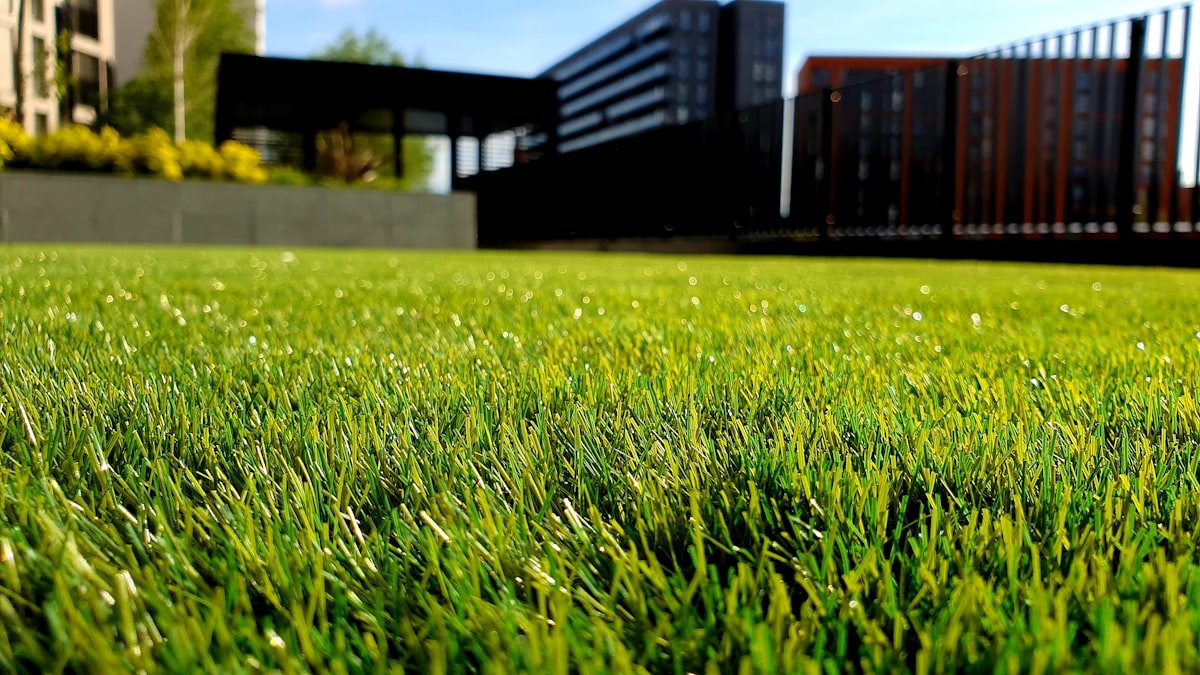
That strip of grass between your sidewalk and the street is called a swale. In Miami Gardens, keeping it maintained is the homeowner's responsibility, and it has become a real source of tension.
If you've received a letter from the city about the strip of grass in front of your home, you're not alone, and you're not confused. Across Miami Gardens, homeowners have been getting notices about swale maintenance, and it has become one of the most talked-about local issues among residents. Some homeowners, including seniors on fixed incomes, have pushed back hard, even circulating petitions. So let's cut through the frustration with a clear, practical guide: what a swale is, what the rules actually require, why people are upset, and how to protect yourself from fines.
First, what is a swale?
A swale is the strip of land between the sidewalk and the street, or between your property line and the road where there's no sidewalk. You mow it and maintain it, but here's the part that surprises many people: the swale is typically city-owned or public right-of-way, not part of your private property. It exists mainly for drainage, helping rainwater flow away from roads and homes, which matters a great deal in flood-prone South Florida.
This is the root of the tension. The land belongs to the public, but the responsibility for maintaining it falls on the adjacent homeowner. That arrangement is common in Florida cities, but it strikes many residents as unfair, especially when compliance costs money.
What Miami Gardens rules require
According to the city, property owners are responsible for maintaining the swale adjacent to their property. Based on city statements to local media, the requirements generally include:
| Requirement | What it means |
|---|---|
| Maintain grass | Replace dead or missing grass on the swale with sod |
| No gravel | Gravel is not permitted on swales |
| Keep it neat | Mow and maintain the swale like the rest of your yard |
| Pressure wash sidewalks | Property owners are expected to keep adjacent sidewalks clean |
Failure to comply can result in code enforcement letters, citations, and fines. Residents have reported being told fines could climb as high as $1,000 for continued non-compliance, and some worry about liens being placed on their property if fines go unpaid.
Why residents are pushing back
The frustration is real and worth understanding fairly. Residents have raised several legitimate concerns in reporting by local outlets like CBS News Miami:
The cost falls on homeowners, including seniors. Some of the most affected residents are older homeowners on fixed incomes who have lived in their homes for decades. Buying sod, hiring someone to till and plant, and paying for regular upkeep adds up. One retired resident described planting fresh sod only to watch it die in the heat, leaving him facing potential fines through no real fault of his own.
Questions about consistency. Residents have alleged that enforcement seems uneven, with some homeowners cited repeatedly while nearby properties with swales in worse condition receive no warnings. Concerns about inconsistent enforcement have appeared in petitions dating back to previous years.
"Lead by example." Some residents point out that city-maintained areas, like certain median strips, are not always in pristine condition themselves, and argue the city should hold its own properties to the same standard it asks of homeowners.
These are fair points, and residents have every right to raise them through petitions and at City Council meetings. Civic pushback is how policies get reexamined and improved.
The city's side
In fairness, there's a rationale behind the rules too. Swales serve a genuine public function: drainage and flood control, which protect entire neighborhoods, not just individual homes. Well-maintained swales also contribute to neighborhood appearance and property values. Grass absorbs and filters stormwater in ways gravel does not, which is part of why gravel is prohibited. Code enforcement, applied fairly and consistently, is a normal tool cities use to maintain community standards.
The real debate isn't whether swales should be maintained. It's about who should bear the cost, how the rules should be enforced, and whether accommodations should exist for seniors and residents facing genuine hardship. Those are reasonable questions for the city and its residents to work through together.
How to protect yourself from fines
Whatever your view of the policy, here's practical guidance to avoid citations while the larger conversation continues:
Respond to letters promptly. Do not ignore a code enforcement notice. Ignoring it is what leads to escalating fines. Even if you disagree, engage with the process.
Understand exactly what's being asked. Read the notice carefully. If it's unclear, call the city to confirm precisely what you need to do and by when. Get it in writing if you can.
Document everything. Take dated photos of your swale before and after any work. Keep receipts for sod, labor, and materials. If you plant sod and it dies despite your genuine effort, that documentation matters.
Ask about your options. If you're a senior or facing financial hardship, ask the city directly whether any assistance, extensions, or accommodations are available. It never hurts to ask.
Request a hearing if you disagree. Code enforcement citations typically come with the right to contest them before a special magistrate or code enforcement board. If you believe a citation is unfair or inconsistent, you can make that case.
Bring it to City Council. If this affects your neighborhood broadly, the most powerful step is organized civic engagement. City Council meetings include time for residents to speak. A group of neighbors raising the issue together carries real weight.
The bigger picture
The swale issue is really about a question every growing city faces: how to balance community standards and shared infrastructure against the real burdens those standards place on individual residents, especially the most vulnerable. Miami Gardens residents clearly care about their neighborhoods. The petitions and the pushback aren't opposition to a clean community; they're a call for fairness in how the responsibility is shared.
The best path forward is dialogue: residents raising concerns through the civic process, and the city listening and considering reasonable accommodations. That's how a community works through a genuine disagreement. For our part, we'll keep residents informed on where this issue goes.
Frequently asked questions
Who is responsible for maintaining the swale in Miami Gardens?
In Miami Gardens, the adjacent property owner is responsible for maintaining the swale, the strip between the sidewalk and street, even though the swale is typically city-owned public right-of-way. City rules require homeowners to keep grass on the swale, prohibit gravel, and expect adjacent sidewalks to be kept clean. Non-compliance can lead to code enforcement fines.
Can you put gravel on a swale in Miami Gardens?
No. According to the City of Miami Gardens, gravel is not permitted on swales. Property owners are required to maintain grass on the swale instead. Grass helps with stormwater drainage and filtration in ways gravel does not, which is part of the reason for the rule.
What happens if I don't maintain my swale in Miami Gardens?
Failing to maintain your swale can result in code enforcement letters, citations, and fines that residents have reported can reach up to $1,000 for continued non-compliance. Unpaid fines can potentially lead to a lien on the property. If you receive a notice, respond promptly, document your efforts, and contact the city to discuss options, especially if you face financial hardship.
Reporting on resident concerns via CBS News Miami. Swale requirements based on city statements to local media. Rules and enforcement procedures can change, so always confirm current requirements with the City of Miami Gardens at miamigardens-fl.gov or 305-622-8000. Published: July 26, 2026.