Hurricane Season Starts in 17 Days. Here's What Miami Gardens Homeowners Need to Know About Insurance in 2026.
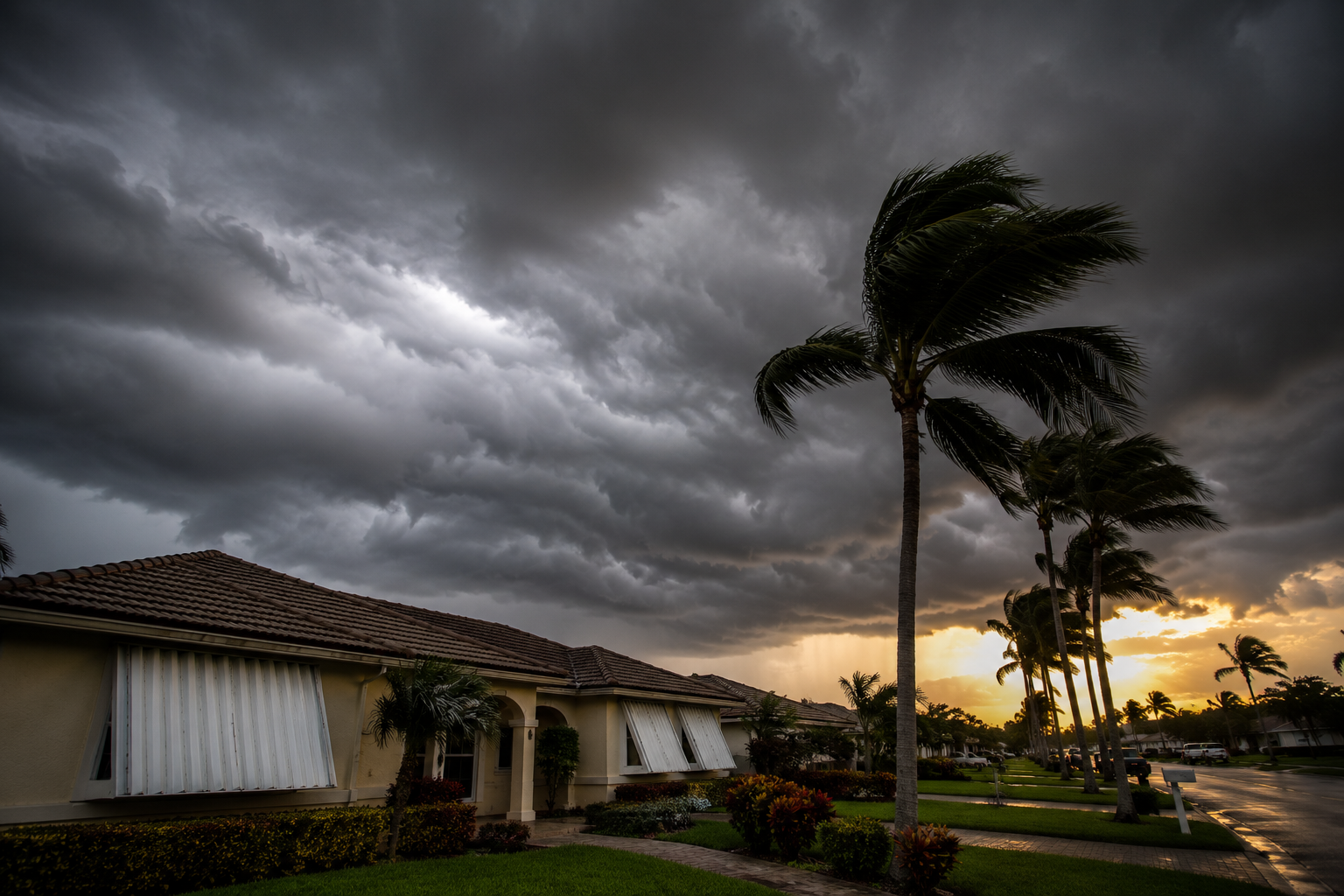
June 1 is 17 days away. Whether you're renewing, switching, or seriously considering going without, here's what you need to know.
Hurricane season begins June 1. That's 17 days from today. For Miami Gardens homeowners, the annual ritual of reviewing insurance coverage, checking deductibles, and wondering whether the premium is worth it is underway. This year, for the first time in several years, the news is partially good: rates are actually coming down. But "coming down" doesn't mean "affordable," and a growing number of South Florida homeowners are making the risky decision to drop coverage entirely.
This guide covers where Miami Gardens home insurance rates stand in 2026, what's changed (and what hasn't), what you need to do before hurricane season starts, and the flood insurance question that too many homeowners get wrong.
The good news: rates are finally dropping
For the first time since the insurance crisis peaked in 2022-2023, premiums in Florida are moving in the right direction. Citizens Property Insurance (the state's insurer of last resort) is implementing an average 8.7% rate reduction statewide for 2026. In Miami-Dade County, the reduction is even steeper: 13.9%. Broward County leads at 14.1%.
On an annual premium of $6,000, a 13.9% reduction means roughly $834 in savings per year. That's real money. And it's not just Citizens. Private market insurers have also begun cutting rates, with some policyholders seeing reductions of 10% to 40% depending on their provider and property profile.
What drove the change? Two pieces of legislation passed in 2023 (SB 2A and HB 837) eliminated the legal incentives that had been inflating costs for years. Before the reforms, Florida represented only 9% of U.S. insurance claims but 79% of all lawsuits against insurers nationwide. The new laws eliminated one-way attorney fees (which let lawyers charge insurers millions for winning minor disputes) and ended Assignment of Benefits abuse (which let contractors inflate invoices against homeowner policies). By removing those financial drains, insurers' loss ratios improved, and rates started easing.
Citizens' policy count has dropped from over 1.4 million in 2023 to around 396,000 today. That's a sign that private insurers are re-entering the Florida market and offering competitive alternatives. More competition means more options for homeowners.
The concerning trend: homeowners dropping coverage
CBS Miami and the Miami Herald reported this week that a growing number of South Florida homeowners are choosing to go without insurance entirely, gambling that they can self-insure against hurricane damage. The reasoning is straightforward: if your home is paid off and your annual premium is $5,000 to $8,000, that money sitting in a savings account feels more tangible than a policy you've never needed to use.
One insurance professional quoted in the Miami Herald said something striking about this trend. He's in the business, he knows the costs, and he admitted he would "seriously consider doing away with some of those expenses" once his mortgage is paid off. If someone who sells insurance is tempted to drop coverage, the pressure on regular homeowners is real.
The risk, of course, is that self-insuring requires discipline most people don't maintain. You need to save the premium equivalent every year, in a dedicated account, untouched. After two or three quiet hurricane seasons, that money starts looking like it belongs in a vacation fund or a kitchen renovation. Then the storm hits and the account is empty.
For homeowners with a mortgage, the decision isn't yours to make. Your lender requires active insurance. But if you own your home outright, the temptation to drop coverage is real and getting stronger as premiums, even with reductions, remain among the highest in the country.
What Miami Gardens homeowners should do before June 1
1. Review your current policy
Pull out your declarations page and check four things: your dwelling coverage limit (is it enough to rebuild at today's construction costs?), your wind/hurricane deductible (typically 2-5% of dwelling coverage), your contents coverage, and your exclusions. Pay particular attention to the difference between wind coverage and flood coverage. They are separate policies. Your homeowners policy covers wind damage. It does not cover flood damage. Many homeowners discover this distinction for the first time after a storm.
2. Get a wind mitigation inspection
This is the single most effective way to lower your premium. A wind mitigation inspection (typically $75-$150) documents features of your home that reduce hurricane damage risk: roof shape, roof-to-wall connections, opening protections (shutters or impact windows), and roof covering type. Submitting this report to your insurer can reduce your wind premium by 20% to 40%. If you haven't had one done, or if your last inspection is more than 5 years old, schedule one this week.
3. Shop your coverage
With new insurers entering the Florida market and rates dropping, this is the best time in years to get competitive quotes. Don't just auto-renew. Contact at least three insurers or work with an independent insurance agent who represents multiple carriers. The difference between the cheapest and most expensive quote for the same property can be thousands of dollars annually.
4. Check your flood insurance
Standard homeowners insurance does not cover flooding. If your home is in a FEMA-designated flood zone, your mortgage lender likely requires a separate flood policy through the National Flood Insurance Program (NFIP) or a private flood insurer. But even if you're not in a designated flood zone, 25% to 30% of all flood claims come from outside high-risk zones. Miami Gardens sits in flat, low-lying terrain. Heavy rain events (which happen regularly from June through October) can cause localized flooding that your homeowners policy won't cover.
A standard NFIP flood policy costs roughly $700-$1,500 per year depending on your zone, elevation, and home value. Private flood insurers may offer lower rates for some properties. If you don't have flood coverage and a tropical storm drops 12 inches of rain in 24 hours (which happened in the Miami metro area in 2023), you're paying for the damage out of pocket.
5. Document your home and belongings
Walk through every room with your phone and record a video inventory. Open closets, drawers, cabinets. Show serial numbers on electronics. This takes 20 minutes and can save you weeks of documentation hassle if you ever need to file a claim. Store the video in cloud storage (Google Photos, iCloud, Dropbox) so it survives even if your phone doesn't.
6. Check your roof
Roof condition is the single biggest factor in both your insurance eligibility and your premium. A few years ago, Florida insurers were refusing to cover homes with shingle roofs older than 12 years. That restriction has eased (some carriers now accept 20-25 year roofs), but an aging roof still means higher premiums and, more importantly, higher risk if a storm hits. If your roof is approaching end-of-life, factor the replacement cost into your hurricane prep budget.
What Miami Gardens insurance costs in 2026
| Metric | Miami Gardens / Miami-Dade | Florida Statewide | National Avg. |
|---|---|---|---|
| Avg. annual premium | $5,200-$6,500 | $3,800-$5,800 | $2,300 |
| Citizens rate change (2026) | -13.9% | -8.7% | N/A |
| Private market movement | -10% to -40% | -10% to -40% | Varies |
| Typical hurricane deductible | 2-5% of dwelling | 2-5% of dwelling | 1-2% (where applicable) |
| Avg. flood insurance (NFIP) | $700-$1,500/yr | $700-$1,500/yr | $700-$1,000/yr |
Even after the reductions, Miami-Dade homeowners pay roughly 2.5 times the national average for home insurance. That gap is driven by hurricane risk, South Florida's litigation history, and the cost of reinsurance (the insurance that insurers buy to protect themselves from catastrophic losses). The reforms have stabilized the market, but closing the gap with the national average will take years of calm seasons and continued legal reform.
The hurricane season forecast for 2026
Colorado State University's early forecast calls for a slightly below-average Atlantic hurricane season in 2026. El Nino conditions are expected to suppress some storm formation. That's encouraging, but insurance experts are clear: seasonal forecasts do not affect your renewal rate, and a below-average season can still produce the one storm that hits your neighborhood.
The 2025 season gave Florida a break with no direct landfalls. Two consecutive quiet seasons have contributed to the rate reductions we're seeing now. But the memory of 2022's Hurricane Ian ($113 billion in damage) and 2024's Hurricane Milton ($35-$50 billion) are fresh reminders that one storm can erase years of savings.
For a deeper look at Miami Gardens weather patterns and what to expect, see our living in Miami Gardens guide.
Frequently asked questions
Are home insurance rates going down in Miami-Dade County?
Yes. Citizens Property Insurance is implementing a 13.9% rate reduction in Miami-Dade for 2026, and private insurers have cut rates by 10-40% depending on the carrier and property. Legal reforms (SB 2A and HB 837) eliminated one-way attorney fees and Assignment of Benefits abuse, which were the primary drivers of inflated premiums. Despite the reductions, Miami-Dade rates remain roughly 2.5 times the national average.
Does homeowners insurance cover flooding in Miami Gardens?
No. Standard homeowners insurance covers wind damage but excludes flood damage. Flood coverage requires a separate policy, either through FEMA's National Flood Insurance Program (NFIP) or a private flood insurer. NFIP policies cost roughly $700-$1,500 per year and have a 30-day waiting period before coverage takes effect. Even homes outside designated flood zones can flood during heavy rain events.
What is a wind mitigation inspection and how does it lower my premium?
A wind mitigation inspection ($75-$150) documents hurricane-resistant features of your home, such as roof shape, roof-to-wall connections, opening protections (shutters or impact windows), and roof covering type. Submitting the report to your insurer can reduce your wind premium by 20-40%. It's the single most cost-effective way to lower your insurance costs in Florida.
How much does home insurance cost in Miami Gardens?
Average annual home insurance premiums in Miami-Dade County range from approximately $5,200 to $6,500, depending on property age, location, roof condition, and coverage limits. Coastal and older properties can face significantly higher costs ($8,000-$20,000+). The national average is roughly $2,300. Wind mitigation inspections, higher deductibles, and shopping multiple carriers can meaningfully reduce your rate.
When does hurricane season start in Florida?
Atlantic hurricane season officially runs from June 1 through November 30. Peak activity typically occurs from mid-August through mid-October. The 2026 season is forecast to be slightly below average by Colorado State University, but forecasts don't eliminate risk. Florida's last major direct hit was Hurricane Milton in 2024.
This article is informational, not insurance advice. Consult a licensed insurance agent for guidance specific to your property. Sources: Citizens Property Insurance, Univista Insurance, FOX 13, CBS Miami/Miami Herald, Insurance News Net, Florida WFLX, Colorado State University Hurricane Forecast. See also: cost of living guide and living in Miami Gardens. Published: May 14, 2026.