Hurricane Season Is Here: A Miami Gardens Resident's Preparedness Guide for 2026
Hurricane season runs June 1 through November 30. The best time to prepare is now, before a storm is ever on the map. Here is your Miami Gardens guide.
Between the World Cup excitement and the summer heat, it's easy to forget the other reality of a South Florida summer: hurricane season. The season runs from June 1 through November 30, and while forecasters expect a slightly calmer-than-average 2026, it only takes one storm to change your year. For Miami Gardens residents, the time to prepare is now, calmly and in advance, not when a storm is bearing down. Here's a practical guide to getting ready.
The 2026 season outlook
Forecasters are predicting a slightly below-average to near-average 2026 Atlantic hurricane season. NOAA's National Weather Service forecast calls for 8 to 14 named storms, with a 55% chance of a below-normal season. Colorado State University's forecast similarly predicts around 13 named storms and six hurricanes. Strengthening El Nino conditions are a factor in the calmer outlook.
But here's the crucial context: a "below-average" season is not a safe season. Some of Florida's most destructive hurricanes struck in otherwise quiet years. The number of storms doesn't matter if one of them hits South Florida. Prepare every year as if a major storm is coming, because eventually one will.
Build your hurricane kit
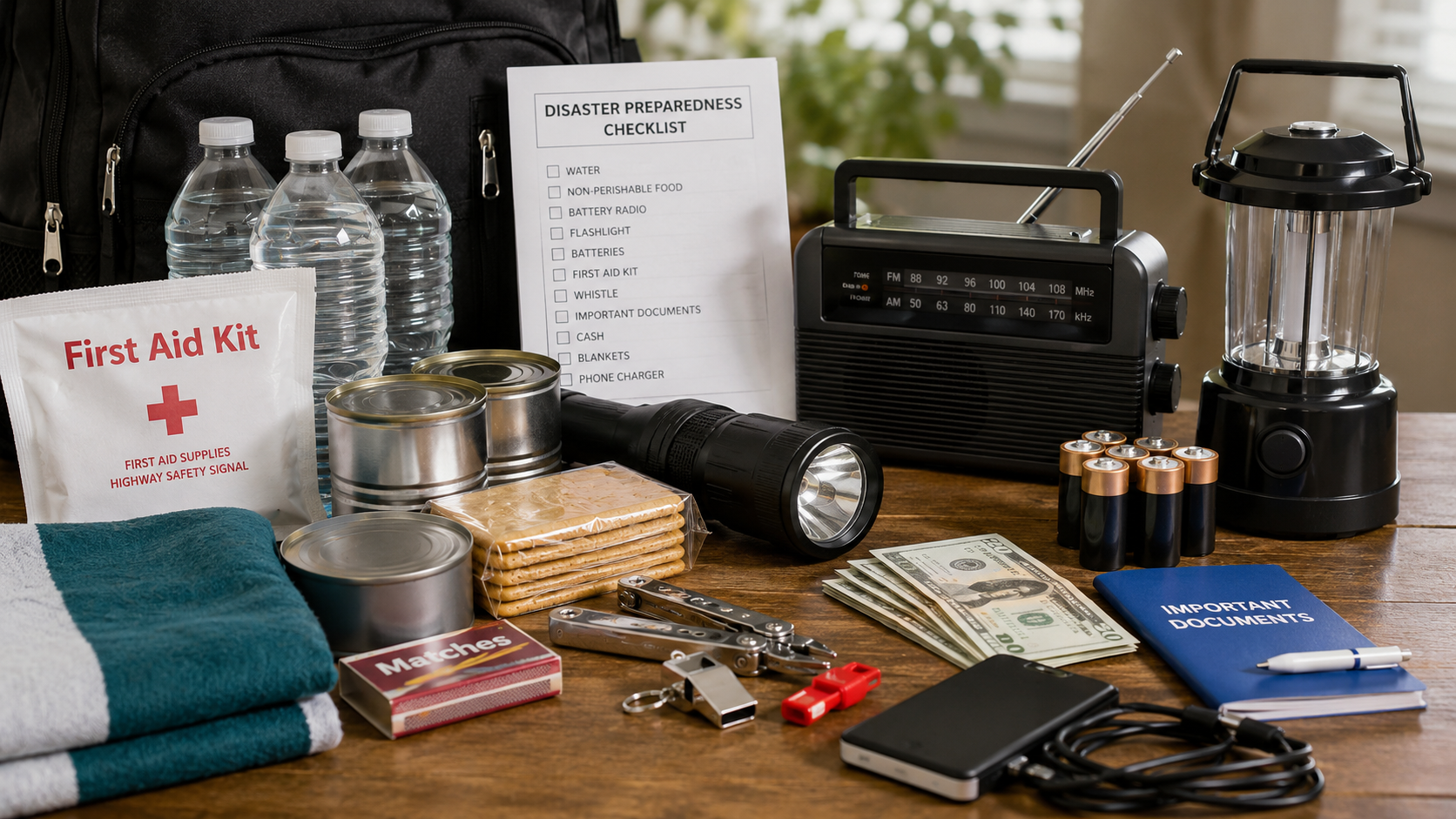
Your basic disaster supply kit should sustain your household for at least 7 days without power or access to stores. Here's what to include:
| Category | What to have |
|---|---|
| Water | 1 gallon per person per day, 7-day supply |
| Food | 7 days of non-perishable food, manual can opener |
| Light | Flashlights, lanterns, extra batteries |
| Power | Portable chargers, power banks, car charger |
| Radio | Battery or hand-crank weather radio |
| First aid | Kit plus a 7-day supply of medications |
| Documents | IDs, insurance, deeds in a waterproof bag |
| Cash | Small bills (ATMs and cards fail in outages) |
| Hygiene | Toiletries, sanitizer, moist wipes |
| Baby/pet | Formula, diapers, pet food and water |
Keep the kit in a designated, easy-to-reach place, and check it at the start of every season to replace expired items and dead batteries.
Watch out for flooding: sandbags and drainage
South Florida's flat terrain and heavy rain make flooding a serious concern, sometimes even without a hurricane. Miami-Dade County and local governments typically set up sandbag distribution sites during the season and ahead of approaching storms. Watch for announcements from the City of Miami Gardens and Miami-Dade County about locations and hours.
In the meantime, protect your property year-round: keep gutters and storm drains near your home clear of debris, know whether your area is prone to flooding, and consider where water tends to pool after heavy rain. Small steps now prevent big problems later.
Don't wait on flood insurance
Here's a critical point many homeowners miss: standard homeowners insurance does not cover flood damage, and flood insurance policies typically have a waiting period (often 30 days) before they take effect. That means you cannot buy flood insurance when a storm is already approaching and expect to be covered. If you don't have a flood policy, look into it now, well before any storm develops. Insurance experts consistently urge Florida homeowners and renters to secure coverage early in the season.
Make a family plan
Supplies are only half of preparedness. Your family needs a plan:
Know your zone. Understand whether you live in an evacuation zone and what your evacuation route would be. Miami-Dade County provides evacuation zone lookups.
Pick a meeting point and contact. Choose a place to reunite if separated and an out-of-town contact everyone can check in with, since local lines may be jammed.
Plan for pets. Not all shelters accept animals. Know which ones do, and have carriers, food, and records ready.
Prepare your home. Know how to install your shutters or have plywood measured and ready. Identify a safe interior room away from windows.
Stay informed
During the season, reliable information saves lives. Trust official sources:
The National Hurricane Center (nhc.noaa.gov) for forecasts and storm tracking. The National Weather Service Miami (weather.gov/mfl) for local conditions. Miami-Dade County Emergency Management for local orders, shelters, and sandbag sites. And the City of Miami Gardens (miamigardens-fl.gov) for city-specific updates. Sign up for county emergency alerts so warnings reach your phone directly.
A quick-start checklist
| This week | Before a storm threatens |
|---|---|
| Build or refresh your supply kit | Fill gas tanks and gather cash |
| Check or buy flood insurance | Charge all devices and power banks |
| Look up your evacuation zone | Fill bathtubs and containers with water |
| Make your family plan | Install shutters, secure loose items |
| Sign up for county alerts | Follow official forecasts closely |
Preparedness isn't about fear. It's about peace of mind. Handle these steps on a calm weekend, and when the tropics get active later this summer, you'll be ready while everyone else is scrambling. Stay safe, Miami Gardens.
Frequently asked questions
When is hurricane season in Miami Gardens?
The Atlantic hurricane season runs from June 1 through November 30 each year, which includes Miami Gardens and all of South Florida. The peak of the season is typically from mid-August through October. Residents should prepare early, before any storm develops.
What should be in a hurricane kit?
A hurricane kit should sustain your household for at least 7 days: one gallon of water per person per day, non-perishable food and a manual can opener, flashlights and batteries, portable chargers, a battery or hand-crank weather radio, a first aid kit and medications, important documents in a waterproof bag, cash in small bills, and supplies for babies and pets.
Does homeowners insurance cover hurricane flooding?
Standard homeowners insurance typically does not cover flood damage. You need a separate flood insurance policy, which usually has a waiting period of about 30 days before it takes effect. This means you cannot buy flood insurance once a storm is approaching, so secure coverage early in the season.
Forecast data via NOAA, the National Hurricane Center, and Colorado State University. For official emergency information, consult nhc.noaa.gov, weather.gov/mfl, Miami-Dade County Emergency Management, and miamigardens-fl.gov. Published: July 2, 2026.